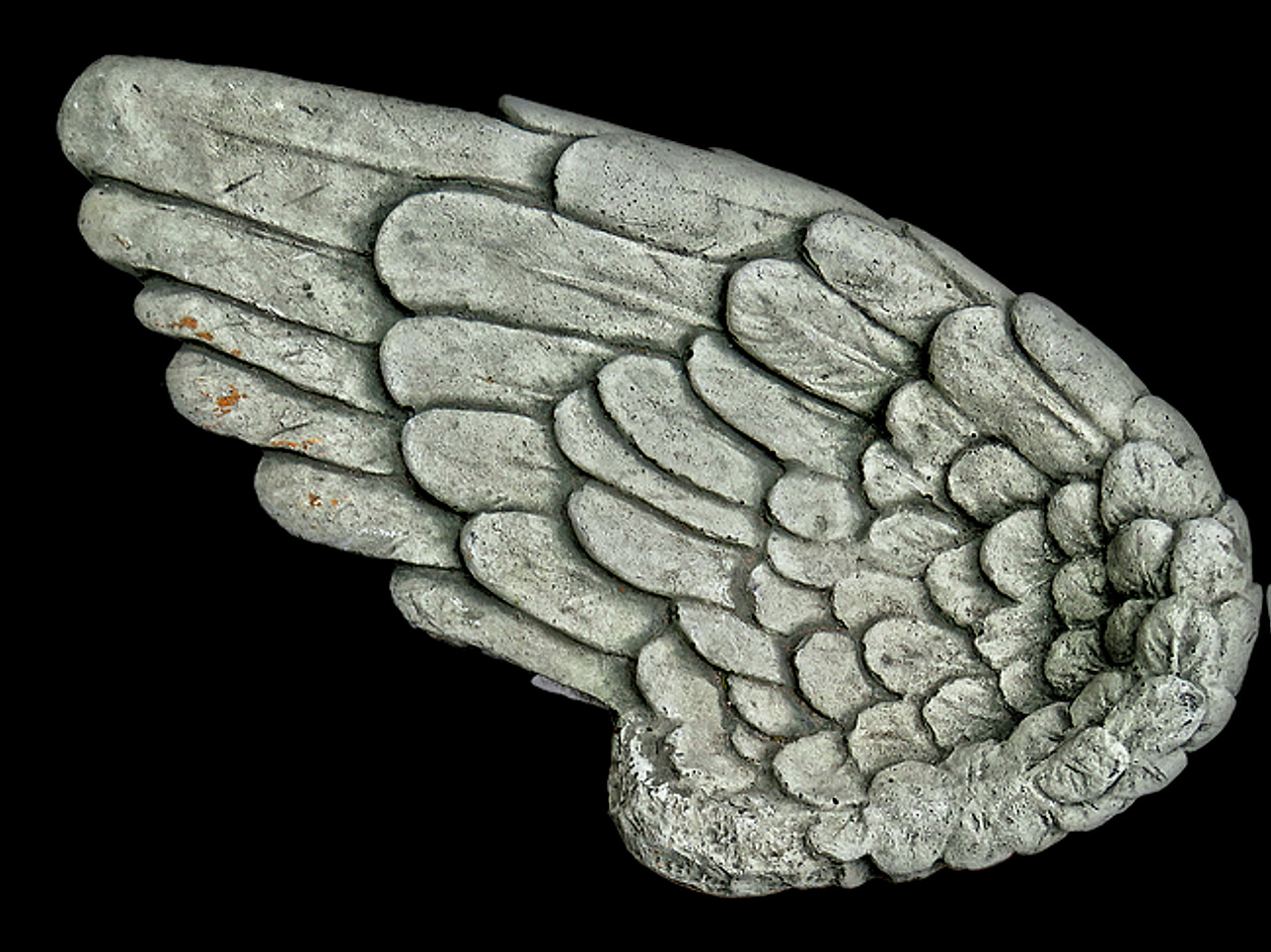
There is a particular hour in every reading room that belongs to no one in particular — the quiet stretch just after the lamps are lit, when the first page of an old book of myths seems to breathe on its own. Anyone who has sat through it knows the same thing: it isn't the ending you remember, it's the half-light before the tale properly begins, when a forgotten legend still feels like it could go any way at all.
The dark is not empty
The first surprise, for anyone who starts collecting folklore, is how much of it is carried by sound rather than ink. Long before a single myth was ever written down, it lived in rhythm — the rise and fall of a voice around a fire, the pause before a monster's true name was spoken, the half-remembered chant handed from one grandmother to the next. Readers who usually skim through chapters find themselves slowing right down, rereading a line aloud just to hear how an old legend once sounded when it was spoken rather than printed.
None of this is mystical. Repetition fixes a story in memory precisely because rhythm and rhyme are easier to recall than plain fact, which is why so many legends share the same turns of phrase across unrelated cultures. Knowing the mechanics does not make it any less uncanny the first time you notice two unconnected myths telling almost the same tale.
The second surprise is how well meaning survives damage. Given half a page of a water-stained manuscript, most readers can still follow the shape of a legend from what remains around the gap — a god's epithet here, a place name there, the echo of a line repeated earlier in the tale. The trick is not to stare straight at the missing word: context from the surrounding story fills a blank far better than guesswork, so the sense of a passage often appears when you stop trying to read it directly and read around it instead.
There is a limit, and it's worth admitting it. When a manuscript is too badly damaged, or a tale has been retold so many times the original thread is lost, the honest thing is to say so rather than invent a tidy ending. Folklorists who patch every gap with their own guesswork do the stories no favours. Sometimes the most respectful record of a legend is one with honest holes left in it.
What an old story asks of you
Start earlier than feels necessary — tracing a legend back to its first recorded version nearly always takes longer than you expect, since the earliest written account is rarely the one everyone quotes. Read a little more background than you think you need, because the detail that explains a strange custom in one retelling usually turns up buried in a footnote to another version, written decades or even centuries earlier. And work from a source you already trust, because this is not the moment to discover a translation has quietly softened the ending.
Also: always note where a story came from. This single habit is what separates the collectors whose work still gets read decades later from the ones whose retellings fade with them. A date, a place, the name of whoever first told it — small details, but they are what stop a legend drifting loose from its own history.
Beyond that, a good telling of an old legend asks for very little. A quiet room, something warm to drink, and enough time that you are not racing toward the ending. The point is to let the story arrive in its own order, not to skip ahead to find out what the hero becomes.
You don't open an old book of legends simply to reach the final page. You open it to sit with the story while it works out, once again, what it means to tell itself this time.
Then the legend unfolds
It never happens all at once, and rarely where you expect. Long before the ending is clear, a story starts separating itself from the versions around it — a name repeated once too often, the shape of a journey, the sense that this hero's trial is not quite the trial told elsewhere. Only later, often on a second reading, do the smaller details settle into place — the exact words of a curse, the colour of a cloak, the name of the river where it all began.
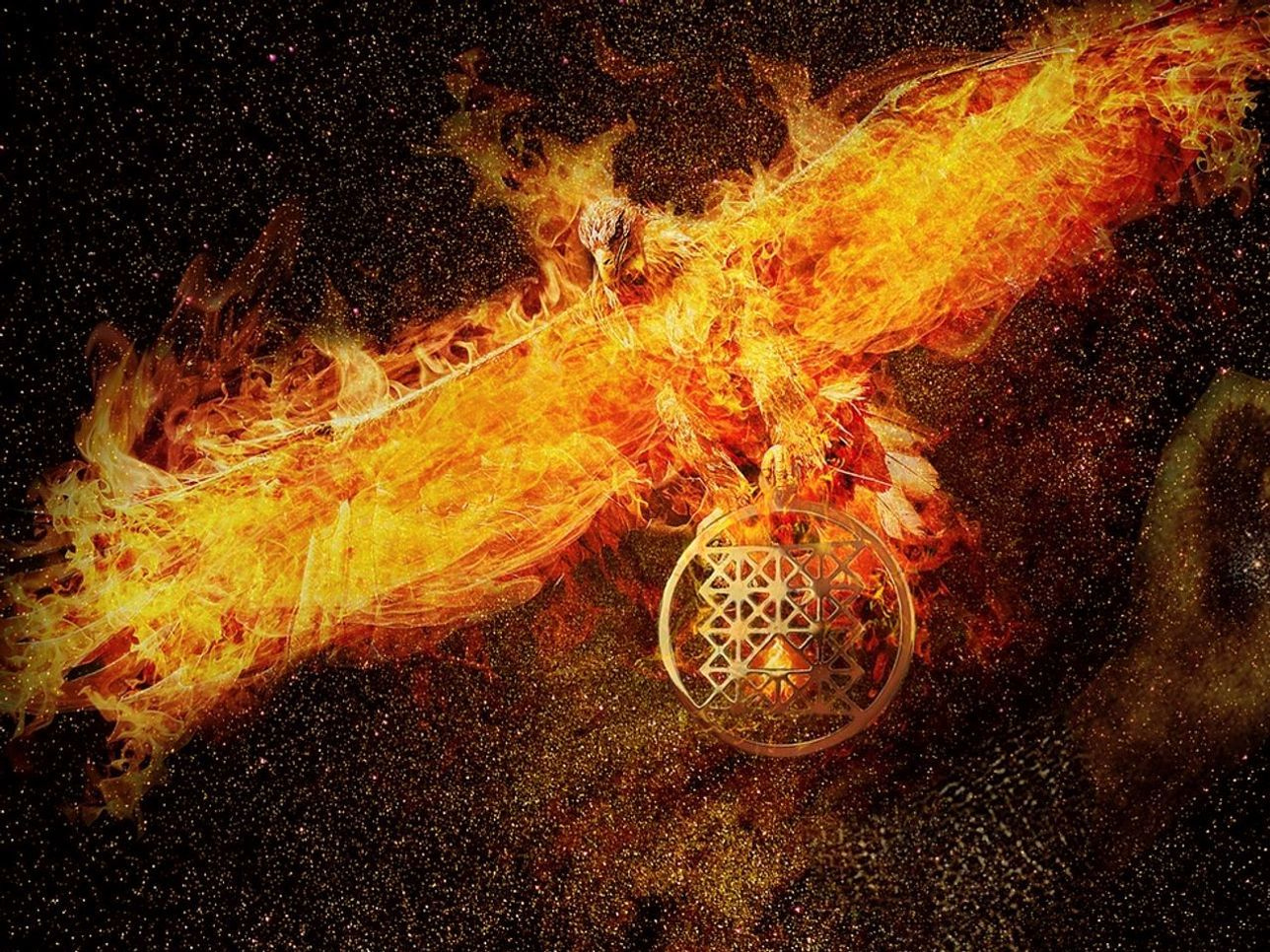
There is a short passage, often only a few lines, where every thread of a legend suddenly lines up — the omen makes sense, the stranger is revealed, the curse finally explains the opening scene. Then the moment passes, the story settles back into its usual pace, and you're left rereading the page to work out exactly how it did that.
The temptation now is to jump straight to quoting the best line, and there's nothing wrong with that — though most readers report the same thing afterwards. The quotation is fine, and it isn't really the point. What a single line can't carry is the slow, patient build of the story that made it land the way it did.
Reading it again
The flat retellings are useful too. A version stripped of its strange details, a summary that explains nothing, an hour spent reading something you couldn't describe to anyone afterwards — these are what make the good versions of a story stand out. Without the dull ones for comparison, the whole genre collapses into interchangeable plot.
Read enough old legends and they stop being interchangeable. You start to recognise, from the very first lines, which tales will reward a second and third reading, and which were only ever written to fill a gap on the page — and you are wrong often enough about which is which to keep trying new ones. The honest reason has little to do with the plot, or even the ending: for an hour, nothing modern is asked of you, nothing can reach you through a screen, and you are simply listening to something that has already outlived everyone who first told it, and will likely outlive you too.
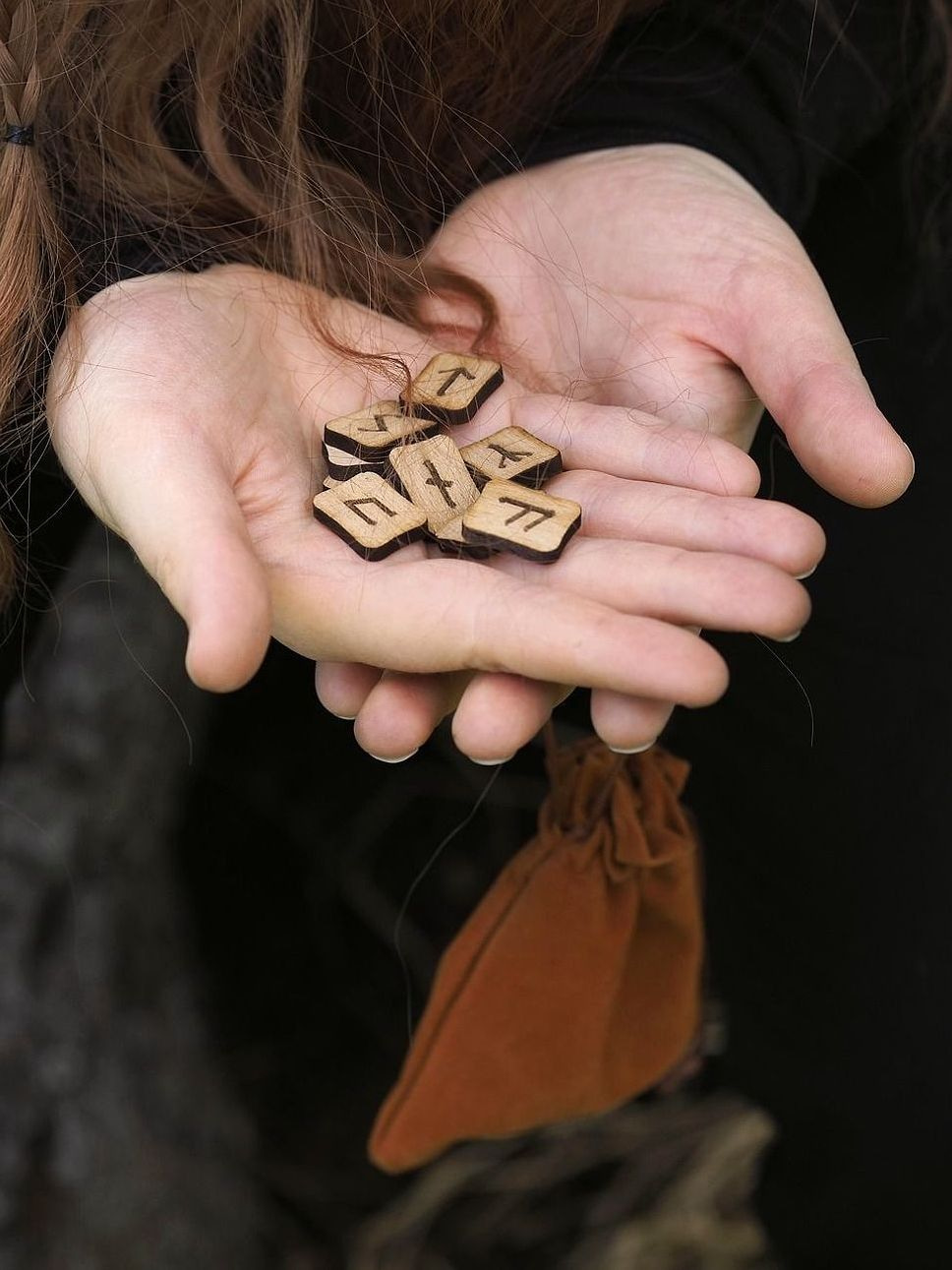
Mira K. has spent years chasing down half-forgotten legends in old libraries and village archives, and has edited this blog on mythology and folklore since its very first post, back when it was little more than notes on ancient statues and half-translated myths.